Smooth Sailing Starts with Solid Drills: Best Practices for Yacht Safety
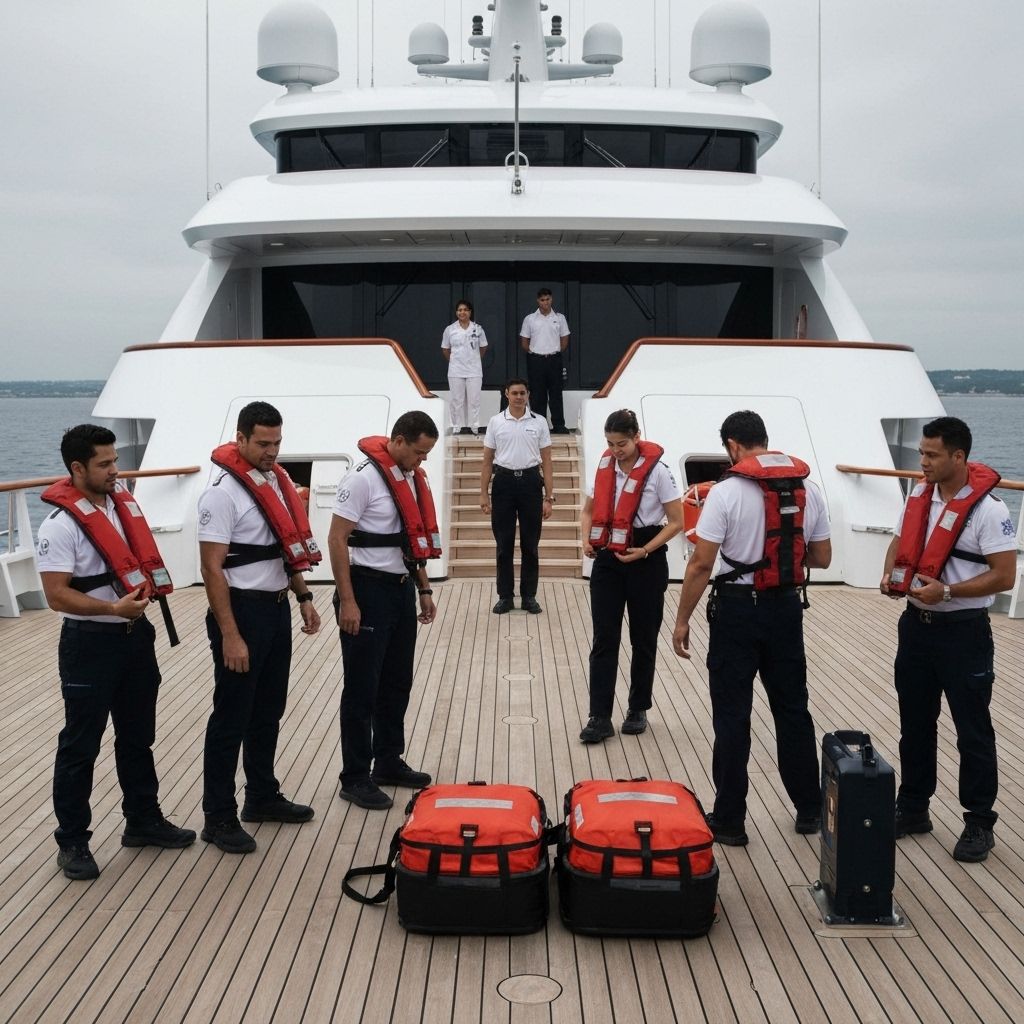
Sealogical has a very user friendly but sophisticated Drills section within our yacht management software for comprehensive safety training.
Sealogical has a very user friendly but sophisticated Drills section within our yacht management software for comprehensive safety training. Regular safety drills are not just a regulatory requirement – they're the foundation of a safe and well-prepared crew that can respond effectively to any emergency situation at sea.
The Importance of Regular Safety Drills
Safety drills serve multiple critical purposes aboard any yacht. They ensure crew familiarity with emergency procedures, build muscle memory for high-stress situations, and maintain regulatory compliance with international maritime safety standards. Most importantly, they can save lives when seconds count during a real emergency.
Key Benefits of Regular Drills:
✓ Enhanced crew confidence and competence in emergency situations ✓ Identification of equipment issues before they become critical ✓ Compliance with MCA, MLC, and STCW requirements ✓ Improved team coordination and communication ✓ Reduced response times during actual emergencies
Essential Drill Types for Yacht Operations
Fire Drills
Fire is one of the most serious threats aboard any vessel. Regular fire drills should cover detection, alarm procedures, firefighting techniques, and evacuation protocols. Crew should be familiar with the location and operation of all firefighting equipment, including portable extinguishers, fixed systems, and emergency breathing apparatus.
Abandon Ship Drills
These drills prepare crew for the worst-case scenario. Practice should include mustering procedures, life jacket donning, liferaft deployment, and survival craft operations. Every crew member should know their specific duties and muster station assignments.
Man Overboard (MOB) Procedures
MOB situations require immediate and coordinated response. Drills should cover spotting, alerting, maneuvering, and recovery procedures. Practice with different recovery methods and equipment ensures crew can adapt to various conditions and circumstances.
Security Drills
With increasing security concerns, crews must be prepared for potential threats. These drills cover lockdown procedures, communication protocols, and coordination with authorities.
Best Practices for Effective Drill Management
Scheduling and Frequency
- Conduct fire and abandon ship drills weekly when possible
- Perform MOB drills monthly or as conditions allow
- Schedule drills at different times to ensure all crew participate
- Document all drills with dates, participants, and observations
Realistic Scenarios
- Vary drill conditions (day/night, different weather, various crew configurations)
- Introduce unexpected elements to test adaptability
- Use different starting locations and scenarios
- Practice with actual equipment, not just theoretical knowledge
Continuous Improvement
- Debrief after every drill to identify areas for improvement
- Update procedures based on lessons learned
- Ensure new crew members receive comprehensive drill training
- Regular equipment inspections and maintenance
Leveraging Technology for Drill Management
Modern yacht management software like Sealogical's Drills management system streamlines the entire process:
Digital Record Keeping
- Automated drill scheduling and reminders
- Comprehensive participation tracking
- Digital signatures and timestamps
- Regulatory compliance reporting
Performance Analytics
- Response time tracking
- Crew competency assessments
- Equipment usage monitoring
- Trend analysis for continuous improvement
Integration with Training Records
- Link drill performance to crew training requirements
- Track certification renewals and refresher training
- Maintain comprehensive crew competency profiles
- Generate compliance reports for inspections
Regulatory Compliance and Documentation
Proper documentation is essential for regulatory compliance and insurance requirements. Key documentation includes:
- Drill dates, times, and duration
- Participating crew members
- Equipment used and condition
- Observations and areas for improvement
- Corrective actions taken
- Crew performance assessments
Creating a Safety Culture
Effective drill programs go beyond mere compliance – they create a culture of safety awareness and preparedness. This involves:
- Leadership commitment from captain and senior officers
- Regular safety meetings and discussions
- Encouraging crew feedback and suggestions
- Recognizing good safety practices
- Continuous learning and improvement mindset
Conclusion
Regular, well-planned safety drills are fundamental to yacht operations. They ensure crew preparedness, maintain regulatory compliance, and most importantly, save lives. With modern tools like Sealogical's comprehensive Drills management system, yacht managers can streamline the process while maintaining the highest safety standards.
Remember: the best emergency response is one that never needs to be used, but when it is needed, proper preparation through regular drills makes all the difference between a manageable situation and a tragedy.
Ready to enhance your yacht's safety management? Explore Sealogical's Drills module today!